
Napakabilis ng panahon ngayon. Kung hindi ka maka sabay, mapag iiwanan ka!
This is the reality that faces millions of Filipinos who are looking learn skills they can use to increase their income and provide a better future for their families. It is difficult to find affordable training programs that offer the knowledge and certification employers require. It is even more difficult to find the right schedule to upskill since most are already busy with their current employment and have no time to attend classes. Fortunately, the TESDA Online Program (TOP) is answers these needs by offering free, accessible, and high-quality online training to all Filipinos, especially to our unsung heroes: the kasambahays!
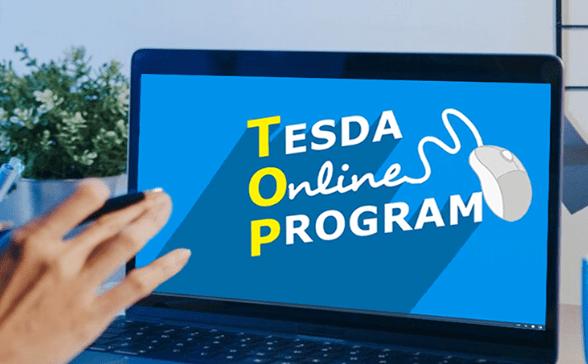
What is TESDA Online Program (TOP)?
The TESDA Online Program is a FREE web-based platform developed by the Technical Education and Skills Development Authority (TESDA). It offers various courses in areas such as domestic services, caregiving, housekeeping, cooking, automotive maintenance and even digital literacy. All you need is a smartphone, tablet, or computer with internet access, and you’re ready to learn.
To begin your TOP classes, create a free account by clicking this link:
https://e-tesda.gov.ph/?redirect=0#about-top
5 Key Benefits of TESDA Online Program for Kasambahays
1. Libreng Education Anytime, Anywhere
Kasambahays are already busy with their everyday duties.They often work long hours with unpredictable schedules. TESDA Online Program is its flexibility. Courses can be accessed 24/7, allowing learners to study during their free time, whether they’re taking a break or preparing to go to bed. Just access the site with your internet browser and complete your classes 1 module at a time.
2. Mas may alam, mas madaling umangat!
With TOP, kasambahays can upgrade their existing skills or learn new ones. For example, a housekeeper can study advanced courses in housekeeping or learn about basic caregiving, increasing their value to current employers or paving the way for better job opportunities.
3. Pwede na mag National Certification
After completing an online course, learners can apply for TESDA’s National Assessment. Passing this assessment earns them a National Certificate (NC)—a credential recognized by employers both locally and abroad, and a strong step toward professionalization.
4. Improved Self-Confidence and Empowerment
Education empowers. Many domestic helpers face stigma or lack confidence in their abilities. Gaining new knowledge and certifications can build self-esteem, helping them feel more capable and respected in their work.
5. Preparation for Life Beyond Domestic Work
Some domestic helpers dream of opening a business or shifting careers. TESDA offers courses in entrepreneurship, beauty care, cooking, and information technology—skills that can help them transition to new livelihoods when they return home or retire from domestic work.
The following are popular kasambahay courses available in TOP. Click the link to learn more about the course:
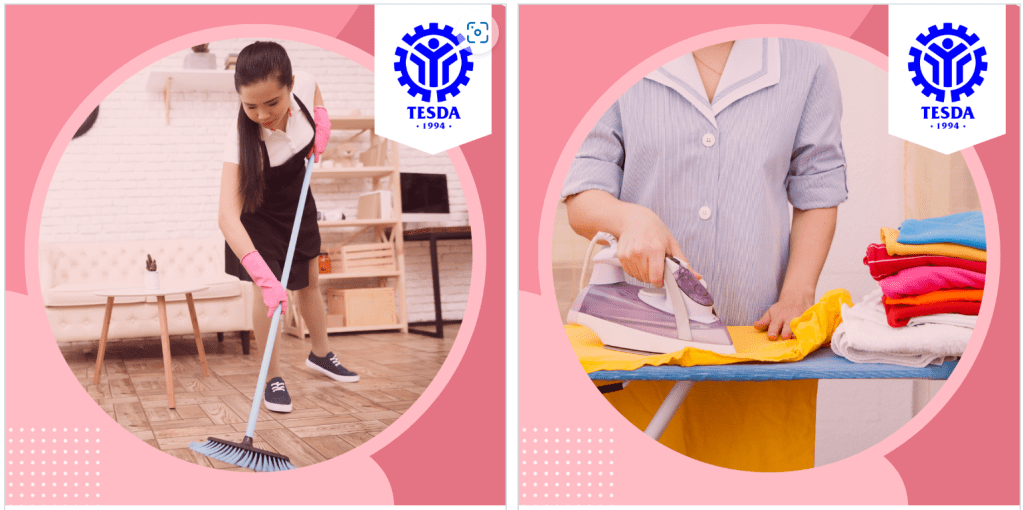
Domestic Work NC II – https://e-tesda.gov.ph/course/index.php?categoryid=1414
This qualification consists of competencies that a person must achieve to clean rooms and kitchen, wash and iron clothes, linens, and fabrics, prepare hot and cold meals, and provide food and beverage service.
Introduction to Domestic Service
This self-paced course covers the basic knowledge, skills, and attitude that you must have in order to perform your duties and responsibilities as a domestic worker.
This course provides an overview of the domestic service sector, professional work habits, and skills of a domestic worker, occupational health and safety procedures, tips in maintaining effective relationships with clients, and managing own performance in the workplace.
This self-paced course includes the knowledge, skills, and attitudes that you must have in order to clean different household areas.
By the end of this course, you should be able to demonstrate the proper procedures in wearing cleaning personal protective equipment, cleaning ceilings, walls, and floors, making beds, washing dishes, cleaning kitchen appliances, and sanitizing different household areas.
Washing and Ironing Clothes and Linens
This self-paced course covers the knowledge, skills, and attitude that you must have in order to wash and iron clothes and linens as a domestic worker employed in a household.
By the end of this course, you should be able to perform the proper procedures for washing, ironing, and organizing clothes and linens.
This self-paced course covers the knowledge, skills and attitudes that you must have in preparing hot and cold meals as part of your duties and responsibilities as a domestic worker.
This course will show the common cooking ingredients, common cooking methods for meat, poultry, seafood, eggs, vegetables, and starchy dishes. The procedures for preparing common types of appetizers, salads, sandwiches, and desserts will also be presented.
Lastly, this course will also show you important measures in presenting hot and cold meals, and storing unconsumed cooked food and ingredients.
Providing Food and Beverage Service
This self-paced course covers the knowledge, skills and attitudes that a domestic worker must have in order to prepare the dining area, setup tables, serve food and beverage and clear tables as part of his/her duties and responsibilities in the household.
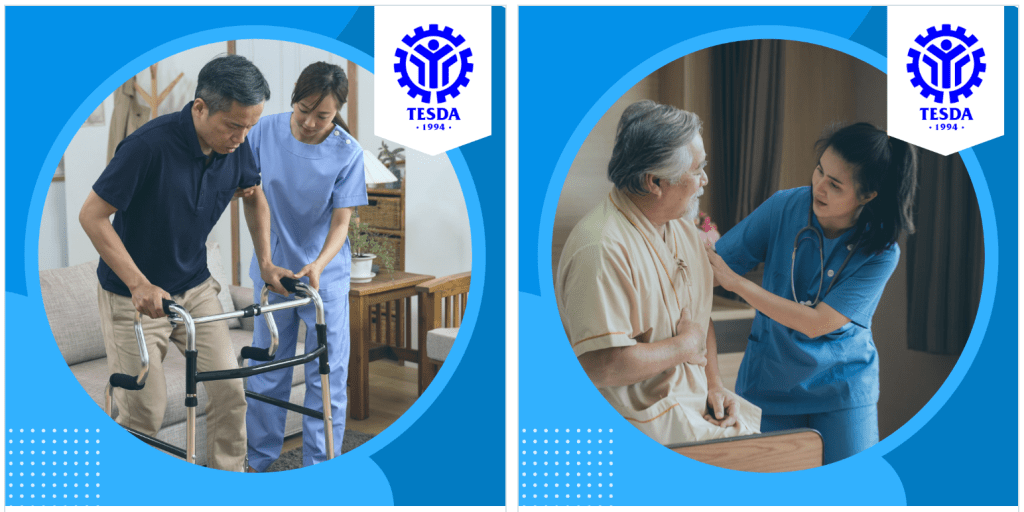
Caregiving (Elderly) NC II – https://e-tesda.gov.ph/course/index.php?categoryid=786
This introductory module covers the basic and common units of competency needed to work as a caregiver in the health, wellness, and other social services sector.
In this module, we will present the knowledge, skills, and attitudes that you must have when you work in the caregiving industry.
Developing the Ability to Recognize Aging Process
This module covers the knowledge, skills, and attitudes that will enable learners to interpret changes associated with aging, identify the principles of caregiving, then practice the principles of caregiving, therapeutic communication and behavior management, and infection control, safety, and sanitation.
Participating in the Implementation and Monitoring of Client’s Care Plan
This module covers the knowledge, skills, and attitude required for a caregiver to organize, provide and monitor support services within the limits of the individualized support formal care plan developed for the patient requiring the service.
Take this module, and you will learn all about the care plan, how to develop it, what components to include, and how to perform the endorsement process.
In this module, you will gain the knowledge, skills, and attitudes required to support or assist the client in performing their daily care needs, within the framework of the client’s care plan.
It discusses the monitoring and recording of the client’s vital signs, and the procedures in assisting care clients in performing various tasks.
Performing Specialty Care Procedures
This module covers the knowledge, skills, and attitudes required to support clients with their technical care needs within the framework of the individualized care support plan.
In this module, you will learn the knowledge and skills needed as a caregiver in assisting in basic wound care, in performing hot and cold therapy, and in providing palliative care to your clients.
Assisting Client in Administering Prescribed Medication
This module looks into the knowledge, skills, and work values required to assist clients in administering prescribed medication.
Aside from learning more about medicines, you will also learn how to prepare, assist, record, and report the administration of prescribed medication in this module.
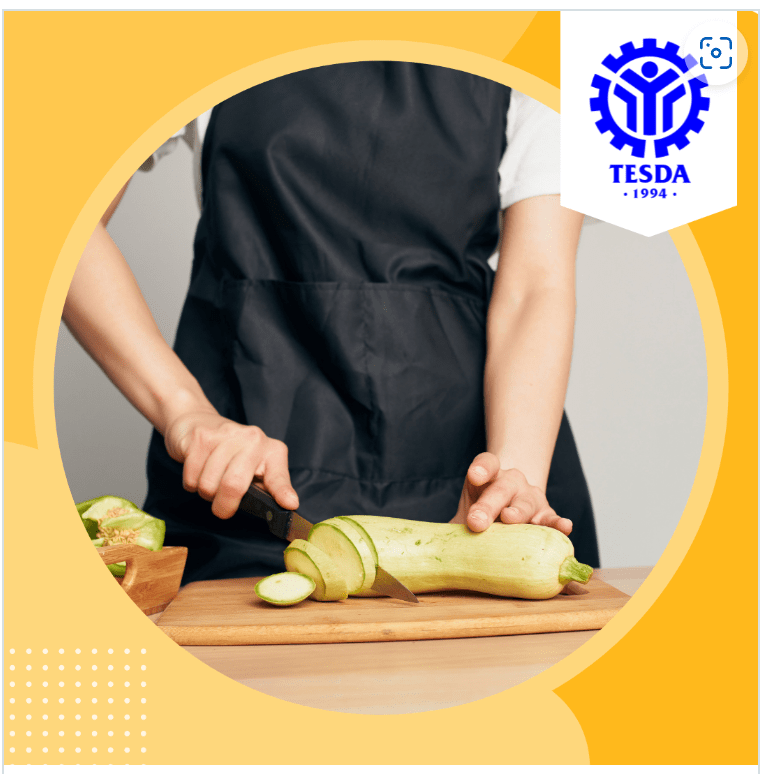
Cookery NC II
Fundamentals of Professional Cookery
This pre-requisite module will present you the knowledge and skills that you must possess inside the kitchen before performing hands-on food preparation.
Preparing Stocks, Sauces, and Soup
In this module, we will discuss the procedures for preparing and storing, as well as standard recipes for stocks, sauces and soups.
Preparing Egg, Vegetable and Farinaceous Dishes
In this module, we will present to you the knowledge and skills that you must have in order to perform the basic techniques of egg cookery. This module will also present to you the basic procedures for preparing vegetables and starch dishes.
This module will present the knowledge and skills that you must have in order to perform the procedures for cooking fish and shellfish dishes.
Preparing Poultry and Game Dishes
This module will present the knowledge and skills that you must have in order to perform the procedures for cooking poultry meat such as chicken, turkey, duck and quail and both furred and feathered game animals.
This module will present the knowledge and skills that you must have in order to perform the procedures for cooking beef, pork and lamb. Preparing meat from other sources such as fowls and game animals will be discussed in a separate module.
Cookery NC II: Preparing Salads and Dressings covers the unit of competency required to prepare and present salads and dressings. This self-paced module is part of the cluster Cookery NC II: Preparing Cold Meals.
In this module, we will present to you the knowledge and skills that you must have in order to perform the procedures for preparing salads and dressings properly.
Preparing Salads and Salad Dressings
Cookery NC II: Preparing Salads and Dressings covers the unit of competency required to prepare and present salads and dressings. This self-paced module is part of the cluster Cookery NC II: Preparing Cold Meals.
In this module, we will present to you the knowledge and skills that you must have in order to perform the procedures for preparing salads and dressings properly.
Preparing Appetizers and Hors d’oeuvres
Cookery NC II: Preparing Appetizers and Hors d’oeuvres covers the competency required to prepare and present appetizers and hors d’oeuvres. This self-paced module is part of the cluster Cookery NC II: Preparing Cold Meals.
In this module, we will present to you the knowledge and skills that you must have in order to perform the procedures for preparing appetizers and hors d’oeuvres properly.
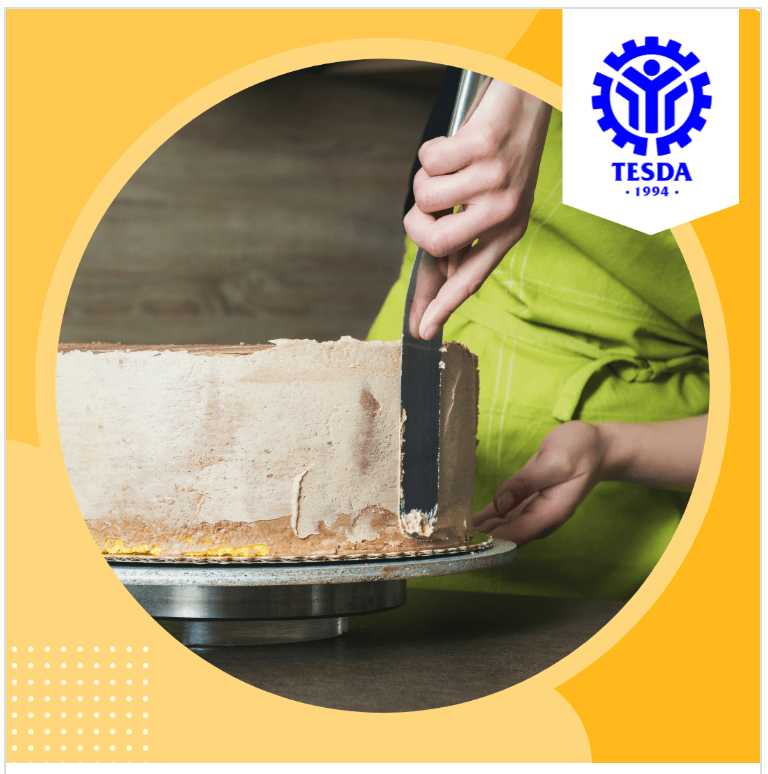
Bread and Pastry Production NC II
Preparing Cakes covers knowledge and skills required by bakers and pastry cooks (patissiers) to produce, fill, decorate, and present a range of specialized sponges and cakes, where finish decoration and presentation of a high order is required.
This self-paced course is one of the competencies in Bread and Pastry Production NC II.
Automotive Servicing (Engine Repair) NC II
Introduction to Automotive Servicing
Performing Periodic Maintenance of the Automotive Engine
Diagnosing and Repairing Engine Cooling and Lubricating System
 kazam
kazam 